 702-463-0808

When Performance Requirements Push Materials to the Limit
In advanced manufacturing, there’s a growing class of applications where standard bonding solutions simply cannot keep up. Aerospace, hypersonic systems, energy infrastructure, and high-performance transportation all demand materials that can withstand extreme temperatures, mechanical stress, and long-term environmental exposure, without degradation.
In these environments, structural bonding becomes a critical design factor, not just a joining method.
High-performance film adhesives like Makobond AF-1300 are engineered specifically for these conditions, enabling manufacturers to build systems that perform reliably in some of the harshest environments imaginable.
Why High-Temperature Bonding Is a System-Level Challenge
Traditional adhesives often fail under sustained thermal exposure. As temperatures rise, materials can soften, lose adhesion, or degrade chemically, leading to structural failure.
This creates a major challenge in applications such as:
- Aerospace structures exposed to thermal cycling
- Components near engine and exhaust assemblies
- Industrial systems operating in chemically aggressive environments
Makobond AF-1300 film adhesive addresses this challenge by delivering high-temperature resistance and structural integrity across a wide operating range, maintaining performance even in extreme conditions.
But its value goes beyond temperature resistance; it enables a shift in how engineers design bonded systems.
Expanding Design Freedom in Aerospace and Defense
In aerospace and defense, materials must balance weight reduction, strength, and thermal stability. Mechanical fasteners can introduce stress concentrations and add unnecessary mass, limiting design efficiency.
Film adhesives like AF-1300 allow engineers to:
- Bond large composite and metallic structures uniformly
- Eliminate fasteners in critical areas
- Distribute loads more evenly across bonded surfaces
This results in:
- Lighter airframes
- Improved structural efficiency
- Enhanced durability under dynamic loads
Because AF-1300 maintains adhesion in both high-temperature and cryogenic environments, it is especially valuable in aerospace systems that experience extreme thermal variation.
Supporting Multi-Material Structures in Modern Manufacturing
Modern composite systems rarely rely on a single material. Instead, they combine:
- Carbon fiber composites
- Metals
- Honeycomb cores
- Advanced laminates
Each material behaves differently under stress and temperature, making bonding a complex challenge.
Makobond AF-1300 is engineered to bond:
- Metals
- Composite laminates
- Honeycomb sandwich structures
This versatility enables manufacturers to design multi-material systems without compromising structural integrity.
As industries move toward hybrid designs, adhesive films become essential for integrating materials that would otherwise be difficult to join.
Durability in Harsh Environmental Conditions
High-performance applications don’t just involve heat, they often include exposure to:
- Moisture
- Chemicals
- UV radiation
- Mechanical fatigue
AF-1300 is formulated to resist:
- Moisture ingress
- Chemical degradation
- Thermal fatigue over time
This durability is critical in industries such as:
- Marine (corrosive environments)
- Energy (long-term exposure)
- Industrial manufacturing (repeated stress cycles)
By maintaining bond integrity in these conditions, the material supports longer service life and reduced maintenance requirements.
Enabling Scalable and Efficient Manufacturing
Performance is only part of the equation; manufacturability is equally important.
Film adhesives offer several advantages over liquid systems:
- Consistent thickness for uniform bonding
- Clean handling with reduced mess and variability
- Compatibility with automated processes
Makobond adhesive films are designed to integrate into:
- Autoclave and VBOC cure cycles
- Press bonding processes
- Automated composite layup workflows
This makes them ideal for scaling production in industries where consistency and throughput are critical.
Reducing Weight While Increasing Performance
Weight reduction remains one of the most important drivers in aerospace, automotive, and energy systems.
Film adhesives like AF-1300 contribute to this goal by:
- Eliminating heavy mechanical fasteners
- Enabling thinner, more efficient structures
- Supporting lightweight composite designs
The result is:
- Improved fuel efficiency
- Increased payload capacity
- Enhanced overall system performance
- Longer endurance and time on target
In high-performance applications, even small weight reductions can have a significant impact.
A Shift Toward Advanced Adhesive Systems
The growing demand for high-temperature composites and extreme-environment performance is driving a shift toward advanced adhesive technologies.
Instead of being an afterthought, bonding is now a core part of system design.
Materials like AF-1300 enable engineers to:
- Design for performance rather than limitation
- Integrate complex material systems
- Build structures that withstand extreme conditions
This shift is redefining how composite systems are engineered across industries.
Makobond AF-1300 demonstrates how high-temperature film adhesives are transforming modern manufacturing. By combining thermal resistance, structural strength, and environmental durability, it enables applications that push beyond the limits of traditional bonding methods.
As industries continue to demand lighter, stronger, and more resilient adhesives, Makobond advanced adhesive films will play an increasingly central role in shaping the future of composite design.
Latest

Author Name
Role Title
Author bio text here. Add description with hyperlinks as needed.
Connect on LinkedIn →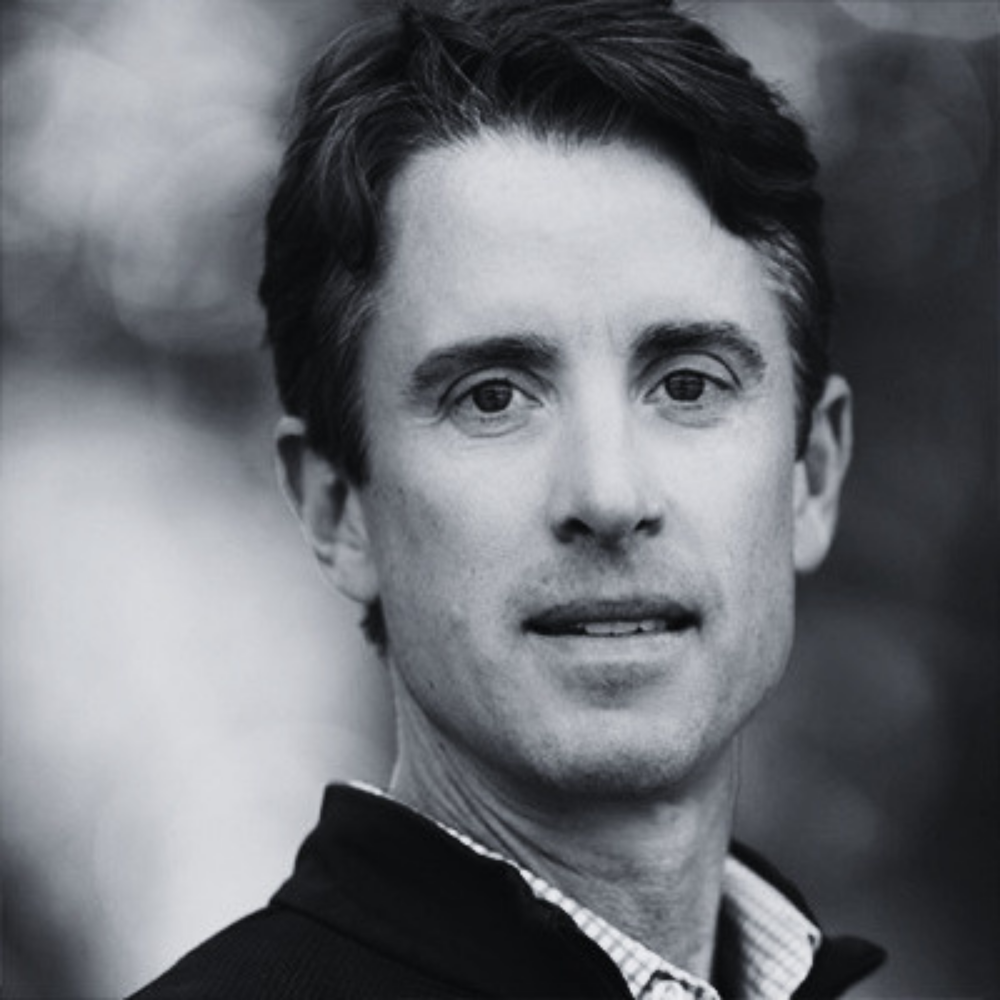
Matt Jones
Head of Business Development, Joint Platforms Mako Advanced Materials and PTM&W
- Skilled engineer in advanced composites field with 20+ years experience
- Former head of BD at Axiom Materials, Inc.
- B.S. in Mechanical Engineering at University of Colorado Boulder
- Based in Costa Mesa, CA